News
Most Americans Fear Extreme Weather But Lack A Disaster Plan, survey Finds

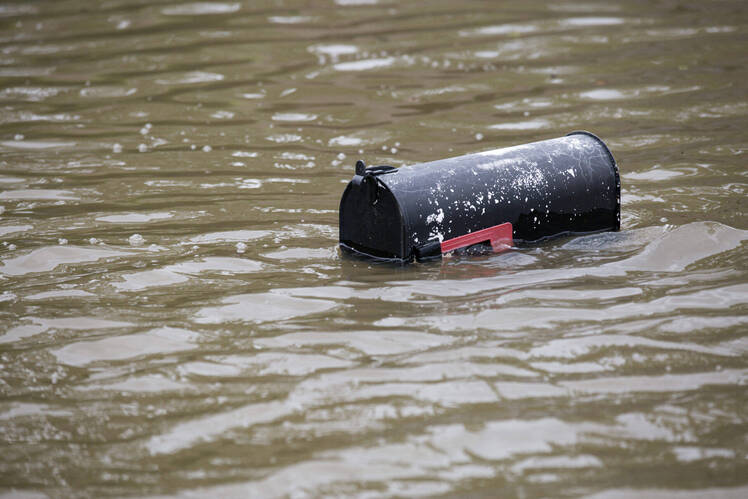
Even as extreme weather events grow more common, fewer than half of Americans have taken steps to prepare for them, according to a new survey released for National Preparedness Month in September.
In a survey of 2,000 adults conducted by Talker Research and commissioned by disaster preparedness company 4Patriots, 90% of respondents said it is critical to be ready for natural disasters, yet only 46% reported actually having an emergency plan in place. Younger Americans appeared more likely to prepare than older generations: Gen Z and millennials were most prepared at 55% each, followed by Gen X at 51%, while just 39% of baby boomers said they had a disaster plan.
Despite 43% of respondents saying they have already experienced a natural disaster in their lifetime, more than half — 53% — still believe they are less likely than others to be impacted. The findings highlight what researchers describe as a dangerous gap between awareness and action.
When asked about specific preparations, most Americans agreed on the importance of backup power. Eighty-six percent said it is vital to have a backup supply for their homes in case of outages, but only 26% own a generator. Other common preparations included an evacuation plan for the family (67%), backup food and water (58%), and a planned evacuation route (50%). Less common were planning for pets (29%), storing extra gasoline (22%), or keeping a printed map (13%).
For those who had lived through a disaster, many shared what they would do differently next time. Common answers included “Get a generator,” “Have more cash funds ready and extra medications,” and simply “Be more prepared and aware of the weather.” One respondent recalled a hurricane in the Washington, D.C., area that knocked out power for five days while they cared for an elderly father: “We had plenty of food and water, only [the] lack of electricity was the problem.” Another, from South Florida, described enduring 11 days without electricity after a major storm, saying, “The heat is extremely high during hurricane season, so being without electricity for the 11 days was awful. At that point, we did have a generator which saved us, as it saved our food and kept [the] fans working.”
“The very real possibility of extreme weather or a natural disaster taking out your power for an extended period has become a part of everyday life for most Americans — no matter where they live,” said Erin Baler, chief strategy officer and co-founder of 4Patriots. “While this reality has prompted more families than ever to develop a preparedness plan and stock up on food, water, power and other supplies, there are still far too many who will be struggling when the next storm hits.”
The research also revealed that 61% of Americans believe the weather in their area has become more extreme in the past decade. A decade ago, respondents said unusual weather lasted for about 21% of the year, or 77 days on average. Today, they reported experiencing abnormal conditions for 24% of the year, or roughly 88 days. The changes include hotter temperatures (61%), more storms (37%), increased flooding (32%), more tornadoes (27%), and worsening droughts (26%). Most respondents (57%) expect conditions to grow even more extreme over the next decade.
“If there is one positive trend were seeing for this years National Preparedness Month, it is that creating a plan and getting prepared in advance has become a natural response to the increasingly extreme weather conditions,” Baler said. “This survey proves that Americans are realizing that caring for their family means protecting them from the next storm.”