News
Outraged Jonestown Survivors Slam Decision to Turn Massacre Site Into Tourist Attraction

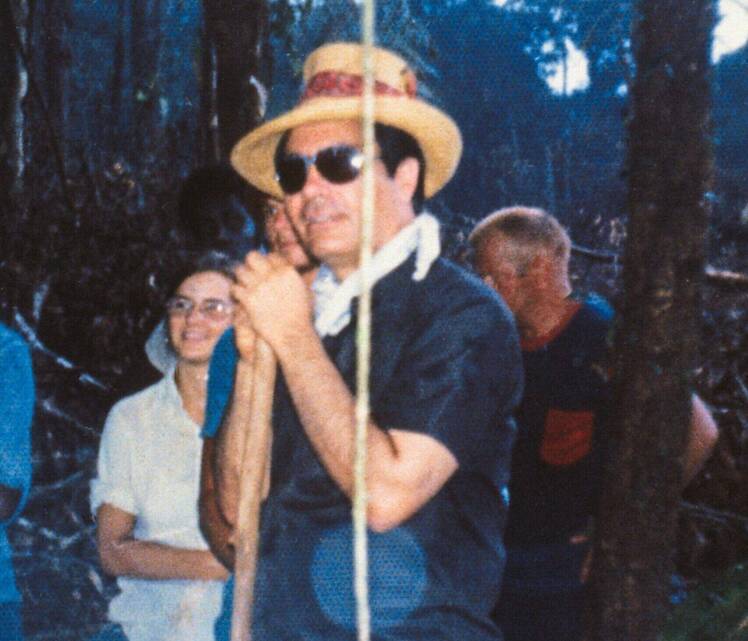
Outraged Jonestown survivors — who didn’t drink the cyanide-laced fruit punch that was fatally served to more than 900 followers of cult leader Jim Jones in Guyana in 1978 — are slamming a decision to make the site of the tragedy a tourist attraction.
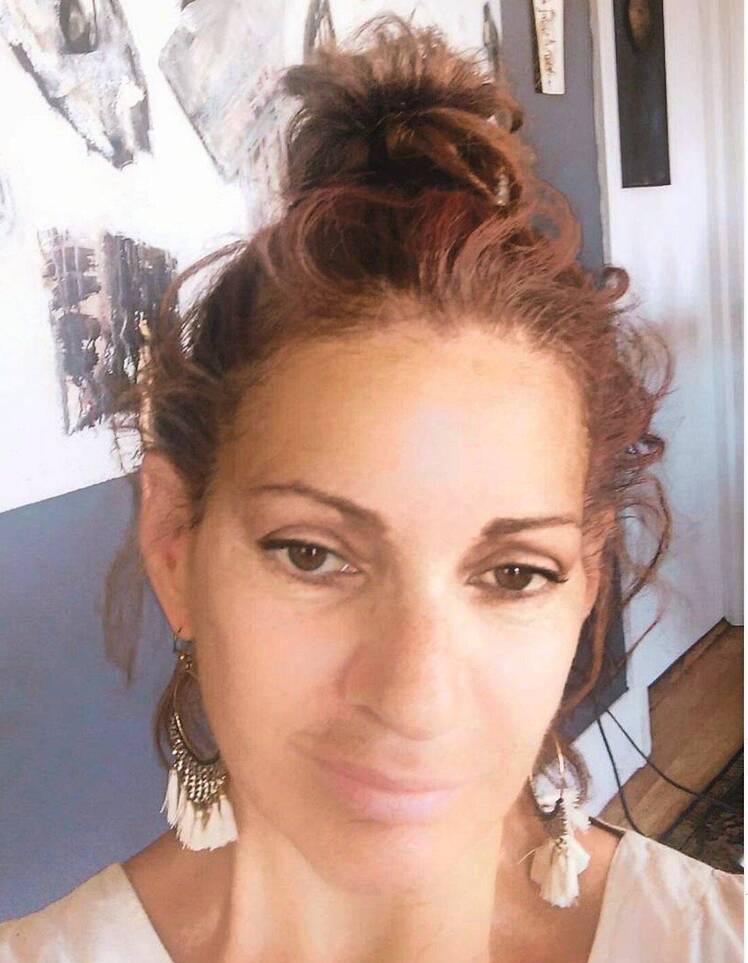
“It seems silly. It’s something that people will make money from. It seems like an abuse,” onetime Jones follower Jordan Vilchez, now 67, tells New York Post.
Morbid gawkers willing to fork over $750 can visit the clearing in the remote Guyanese jungle where Peoples Temple members perished after Jones proclaimed it was time for revolutionary suicide.
The majority of the dead were U.S. citizens who followed Jones to the South American nation to live in his self-proclaimed socialist paradise that turned into hell on Earth.
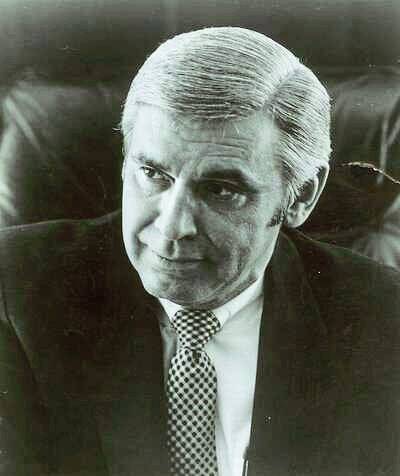
Shortly before the deadly horror, California Congressman Leo Ryan visited the camp with a group of journalists in response to claims that Americans were being held against their will. But when the politician attempted to leave with 18 people seeking to flee, cultists opened fire on the transport plane, killing Ryan, three newshounds and a defecting temple member.
Knowing he’d be linked to the assassination of a congressman, Jones issued the suicide orders. Nearly a third of those killed were children whose parents or caregivers were believed to have squirted the toxic cocktail into their mouths — and others were forcefully injected with the poison. Jones ordered guards to gun down anyone attempting to escape before fatally shooting himself in the head.
Vilchez, who was in Guyana’s capital, Georgetown, during the incident, recalls in her interview with New York Post, “Unbeknownst to us, the world was closing in on Jim. Because of his pathological narcissism, he was not going to go down alone.”
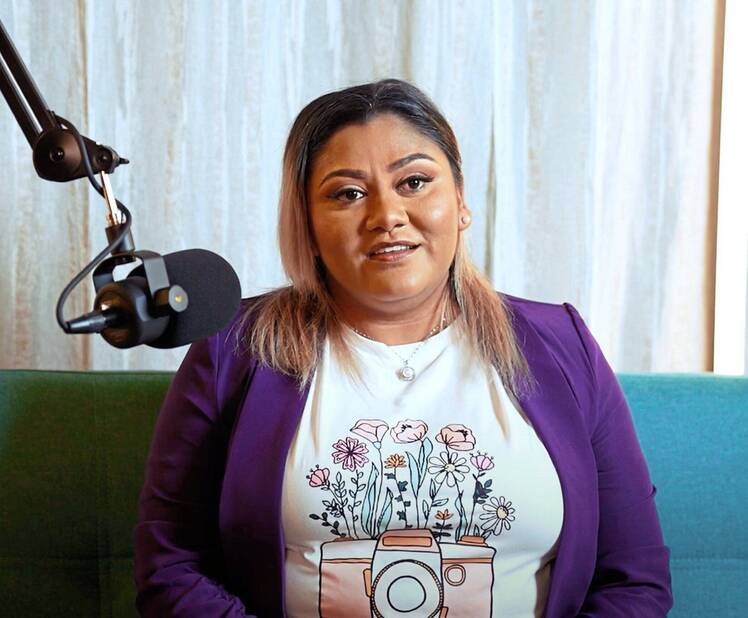
While Vilchez criticized the site becoming a tourist destination, Roselyn Sewcharran — founder of Wanderlust Adventures GY, the company behind the trips — tells the Post, “We want to present things in a way that is responsible and educational.”
Local resident Clement Adams also appears to be bullish on the endeavor, telling CNN, “Something good will come of it in terms of revenue from tourism and education.”