Politics
New Religious Freedom Rankings Reveal Surprising Divide Between States Across America

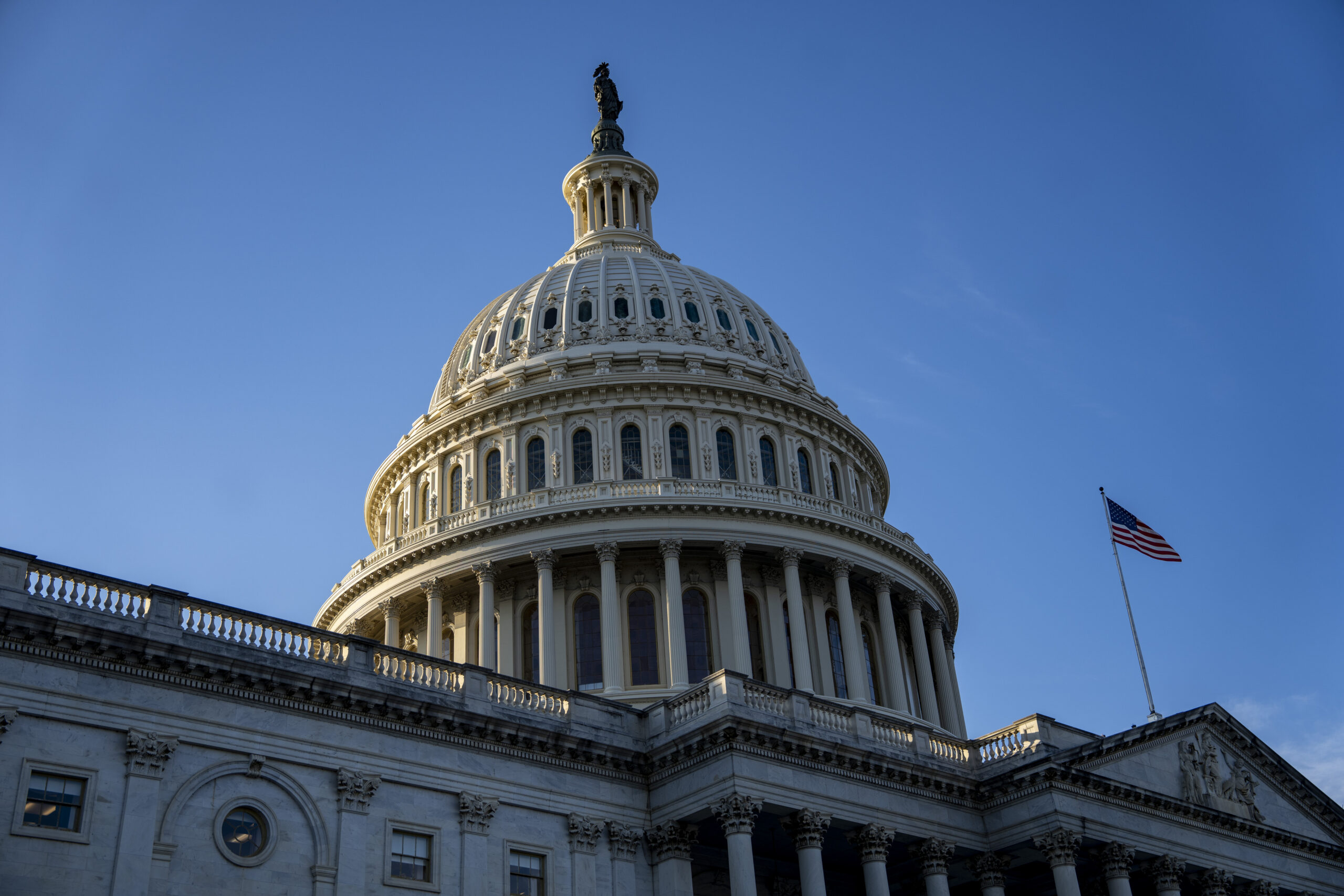
A new report examining religious freedom across the United States has revealed an unexpected divide among states, with some receiving significantly higher marks for protecting faith-based organizations than others.
The 2026 Faith and Freedom Index, released by the Napa Legal Institute on Monday, November 16, evaluated laws and policies in all 50 states to determine how well they protect religious nonprofits, including churches, schools, and charitable organizations.
The latest index placed Alabama at the top of the rankings, with a score of 80 percent, followed by Kansas with 76 percent, Indiana with 75 percent, and Texas with 71 percent.
Meanwhile, Michigan received the lowest overall score with 34 percent, followed by Washington with 38 percent.
Frank DeVito, senior counsel at Napa Legal Institute, told Fox News Digital that Michigan’s low score reflects what he described as burdensome nondiscrimination requirements, inadequate religious exemptions and regulatory obstacles affecting faith-based organizations.
DeVito argued that these organizations should be able to focus on serving their communities rather than spending excessive resources navigating regulations.
The institute believes stronger legal protections and appropriate religious exemptions could help faith-based groups continue their work without unnecessary financial burdens.
“For policymakers and government leaders, it’s really important to put these laws on the books because the church, the religious organizations do needed work,” DeVito told the outlet.
“They educate children often in poor and disadvantaged circumstances. They feed the hungry, they help the most vulnerable people in society. They do something with the level of love and attention that the government never can.”
He continued, “We need religious organizations to thrive. If we are not attentive to the laws being such that these organizations can just do their work rather than spend their time and their money and their resources on administrative burdens that I think are frankly not necessary or fighting lawsuits over, you know, religious liberty issues that they shouldn’t have to fight.”
Some states have introduced changes aimed at reducing regulatory challenges for religious and charitable organizations.
Florida revised its nonprofit corporation laws to make clear that religious organization directors can consult priests, ministers, rabbis and other faith leaders when handling decisions related to their beliefs, according to Fox News Digital.
Massachusetts raised the annual revenue limit requiring an independent audit from $200,000 to $500,000, while Rhode Island increased its threshold from $500,000 to $1 million, per the outlet.