HEALTH/SCIENCE
Poor Sleep Nearly Doubles Risk Of Running Injuries, Study Finds

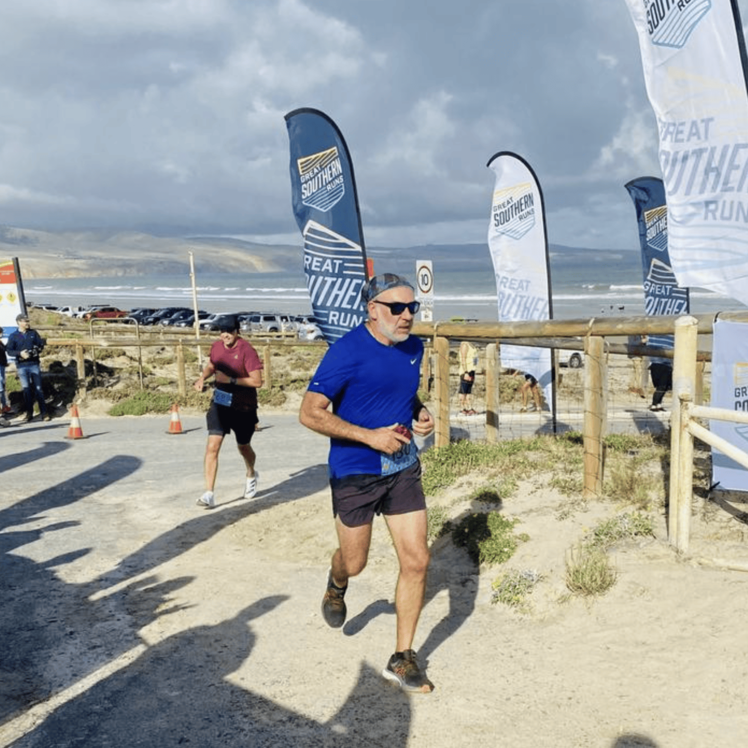
For millions of runners around the world, the path to fewer injuries may begin not on the trail but in bed.
A new study led by Professor Jan de Jonge, a work and sports psychologist at Eindhoven University of Technology and Adjunct Professor at the University of South Australia, has found that inadequate sleep nearly doubles the likelihood of injury for runners.
Surveying 425 recreational runners, de Jonge and his team found that those who reported shorter sleep, poorer-quality sleep, or frequent sleep problems, were 1.78 times more likely to sustain an injury than runners who slept well. Over a 12-month period, poor sleepers faced a 68% chance of getting injured, according to findings published in Applied Sciences.
“While runners specifically focus on mileage, nutrition and recovery strategies, sleep tends to fall to the bottom of the list,” de Jonge said. “Our research shows that poor sleepers were 1.78 times more likely to report injuries than those with stable, good quality sleep, with a 68% likelihood of sustaining an injury over a 12-month period. Thats a strong reminder that how well you rest is just as important as how hard you train.”
Recreational running remains one of the worlds most popular sports, with an estimated 620 million people regularly lacing up their shoes. Yet up to 90% of them experience an injury at some point — a toll that costs millions globally in missed work and medical expenses.
The study is one of the first to treat sleep as a multidimensional factor in sports injury prevention, looking beyond duration to include quality and the presence of disorders.
“Sleep is a vital biological process that allows the body and mind to recover and adapt to the physical and mental demands of training,” de Jonge said. “When sleep is disrupted or insufficient, the bodys ability to repair tissues, regulate hormones and maintain focus diminishes, all of which can increase injury risk.”
Runners who frequently struggled to fall asleep, woke up often, or failed to feel rested in the morning were found to be especially vulnerable. By contrast, consistent, high-quality sleep corresponded with lower injury rates. The findings, de Jonge said, should prompt athletes, coaches and health professionals to rethink how they define recovery.
“We often assume that more training equals better performance, but thats not necessarily the case,” he said. “Runners – especially those balancing training with work, family and social commitments – may actually need more sleep than average adults to recover properly. Sleep should be treated as a performance priority, not an afterthought.”
Experts generally recommend between seven and nine hours of sleep per night, with athletes often benefiting from additional rest or short daytime naps. Maintaining consistent bedtimes, reducing screen exposure, limiting caffeine and alcohol, and ensuring a quiet, cool sleeping environment can also support recovery.
“Sleep quality and sleep duration are both important, but quantity often provides the bed-rock,” de Jonge said. “Sleep should be recognized not only as a recovery tool, but also as a potential predictor of injury vulnerability in recreational sports.”