Crime
CBP Seizes Rare Live Beetles Being Smuggled From North Carolina To Germany

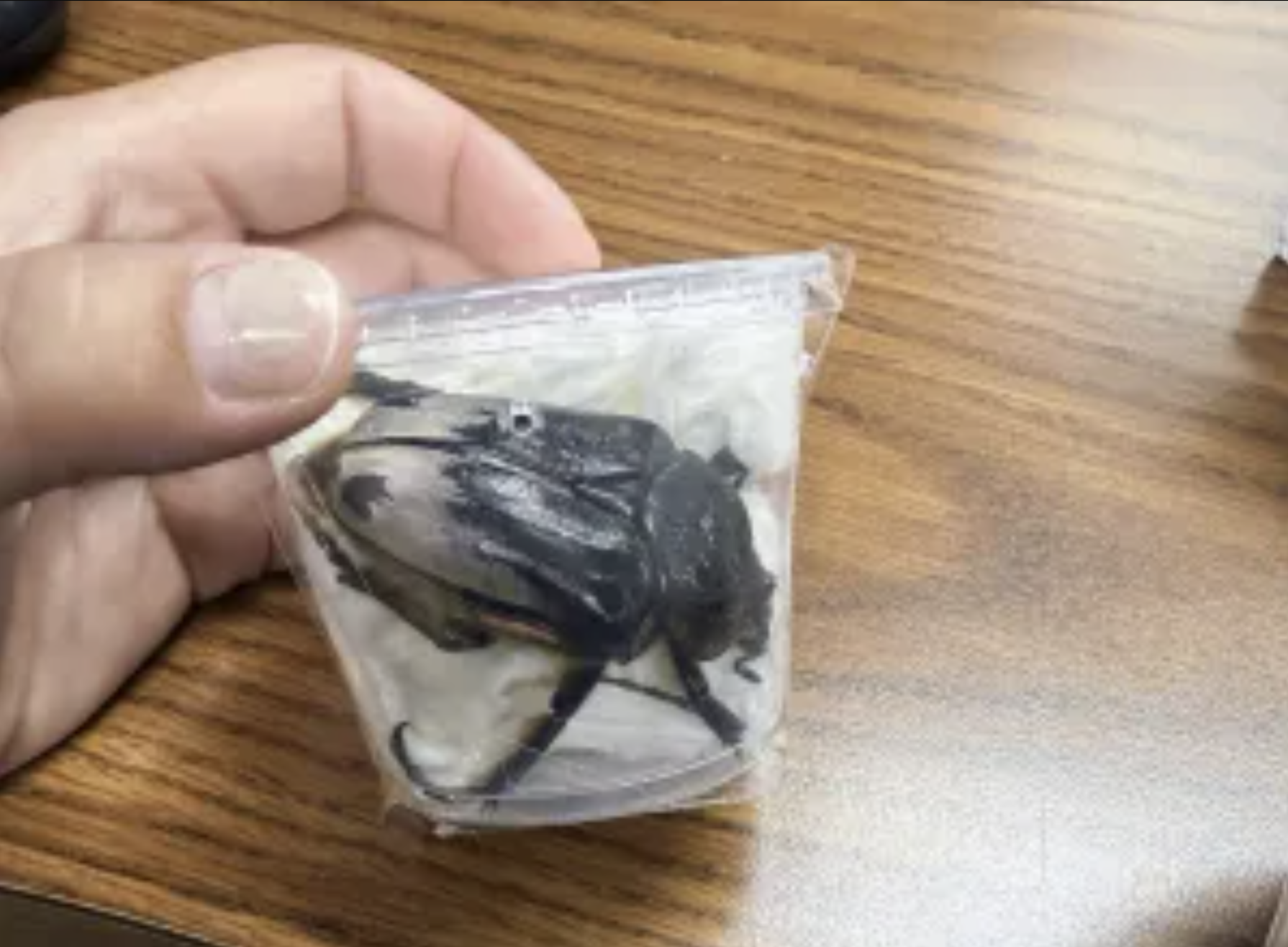
U.S. Customs and Border Protection (CBP) agriculture specialists recently thwarted an attempt to smuggle live Chief Goliath beetles from North Carolina to Germany.
CBP officers in Philadelphia on Aug. 18 inspected an outbound parcel manifested as “4x play toy” and bound for Germany from North Carolina. Inside, officers instead found three large live beetles, a container of beetle parts, and two shadow boxes used for displaying insects.
The officers sent the live beetles and photos of the beetle parts to entomologists at the U.S. Department of Agriculture’s (USDA) Animal and Plant Health Inspection Service (APHIS) for identification. The experts determined the live specimens were rare female Chief Goliath beetles, while the parts came from three stag beetles.
Chief Goliath beetles are native to Africa’s tropical rainforests, and they are becoming increasingly rare in the wild due to both deforestation and overcollection for the exotic pet trade.
CBP submitted the identifications to the U.S. Fish and Wildlife Service (FWS), which requested the shipment be seized as smuggled wildlife. Even beetles are considered wildlife, and require FWS permits to import or export.
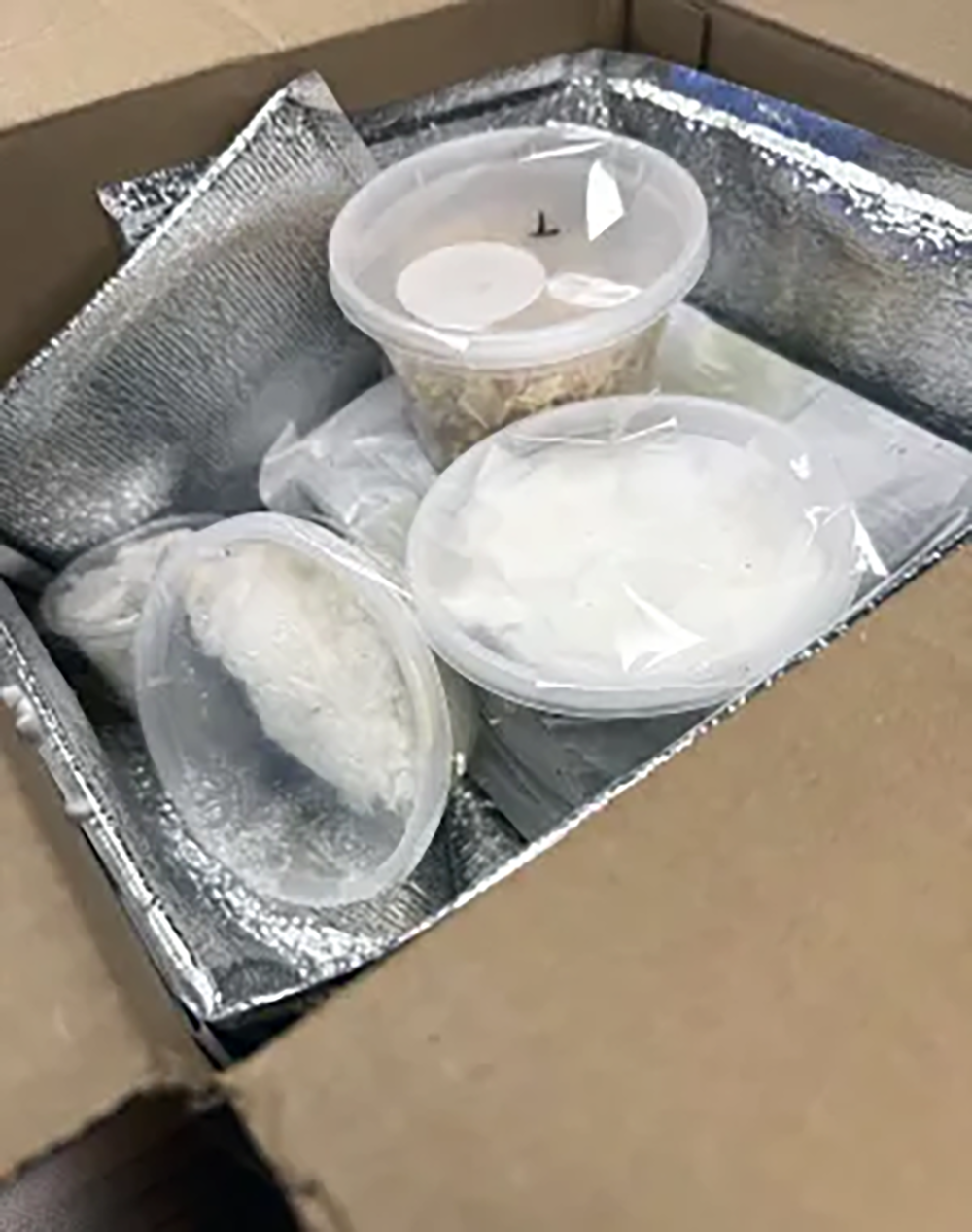
The live beetles were turned over to the USDA and the rest of the shipment was turned over to FWS. An investigation was launched by FWS into possible violations of the Endangered Species Act and the Lacey Act for failure to declare commercial export of wildlife and trading in wildlife without a license.
“The illegal trade of exotic pets brings hefty profits for those willing to risk destroying a wildlife species and violating U.S. laws and regulations,” said Elliot N. Ortiz, CBP’s acting area port director in Philadelphia. “Customs and Border Protection agriculture specialists remain committed to intercepting these smuggling attempts and working with our conservation law enforcement partners at U.S. Fish and Wildlife Service to hunt down and hold smugglers accountable.”