
Business
New York’s Retail Worker Safety Act May Be Hampered By Persistent Staffing Shortages

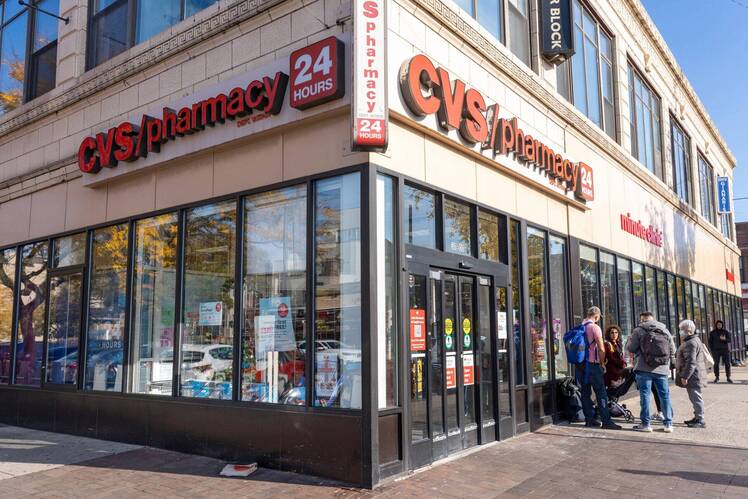
New Yorks landmark Retail Worker Safety Act officially took effect this month, but a nationwide workforce survey suggests many stores may be too short-staffed to meet these new requirements.
The new law requires stores to implement violence prevention training, active shooter drills, and panic buttons in large retail locations by 2027, but a nationwide survey conducted by workforce management platform Logile paints a picture of widespread labor misalignment across the retail sector.
Of the retail workers surveyed, 77% said their stores regularly lose sales due to poor scheduling or staffing decisions. Just 36% reported that staffing schedules align with actual foot traffic in stores, while over half said they experience short-staffing during peak hours most of the time. A quarter claimed it happens almost every time the store gets busy.
Even when staffing is available, inefficiencies persist. Sixty-five percent of workers said they experience overstaffing and unproductive downtime multiple times a month, indicating that many labor hours are misallocated. Inconsistent schedules and inadequate staffing have left 82% of associates feeling overwhelmed and 80% stressed by unpredictable work hours.
The toll isnt just operational — its personal. Nearly three in four retail workers are asked to stay late due to short staffing, and many report being pulled from their regular roles to fill unexpected gaps. One in four are scheduled for “clopening” shifts — closing at night and returning to open the store in the morning — several times a month, with just 39% of employers having policies to prevent it. Over a third of workers have missed important personal events due to last-minute scheduling changes.
“Schedules that look good in theory often unravel in practice, leading to chronic understaffing, frustrated teams and missed revenue opportunities,” the report reads.
This volatile scheduling environment may hinder efforts to roll out safety measures like emergency drills and violence prevention training, which require both time and adequate staffing to be effective.
“When labor planning doesnt reflect the realities of store operations, its the frontline teams who pay the price — physically, emotionally and mentally,” the report reads.
Despite these challenges, there may be openness to new solutions. Seventy-four percent of workers said they are receptive to automated scheduling tools that use real-time traffic data — provided the systems are accurate and fair.
“Retailers have made meaningful strides in prioritizing workforce initiatives, but our research shows that many are still missing the opportunity to fully connect their planning efforts with store-level reality,” said Logile CEO Purna Mishra.
As New York retailers begin to comply with the new safety law, that disconnect between policy and practice could prove to be a critical obstacle. Without reliable staffing, experts warn, the promise of safer stores could remain out of reach.


