
CAUSES & ISSUES
Florida City Cancels St. Patrick’s Day Parade After Law Banning Government-Funded DEI Initiatives


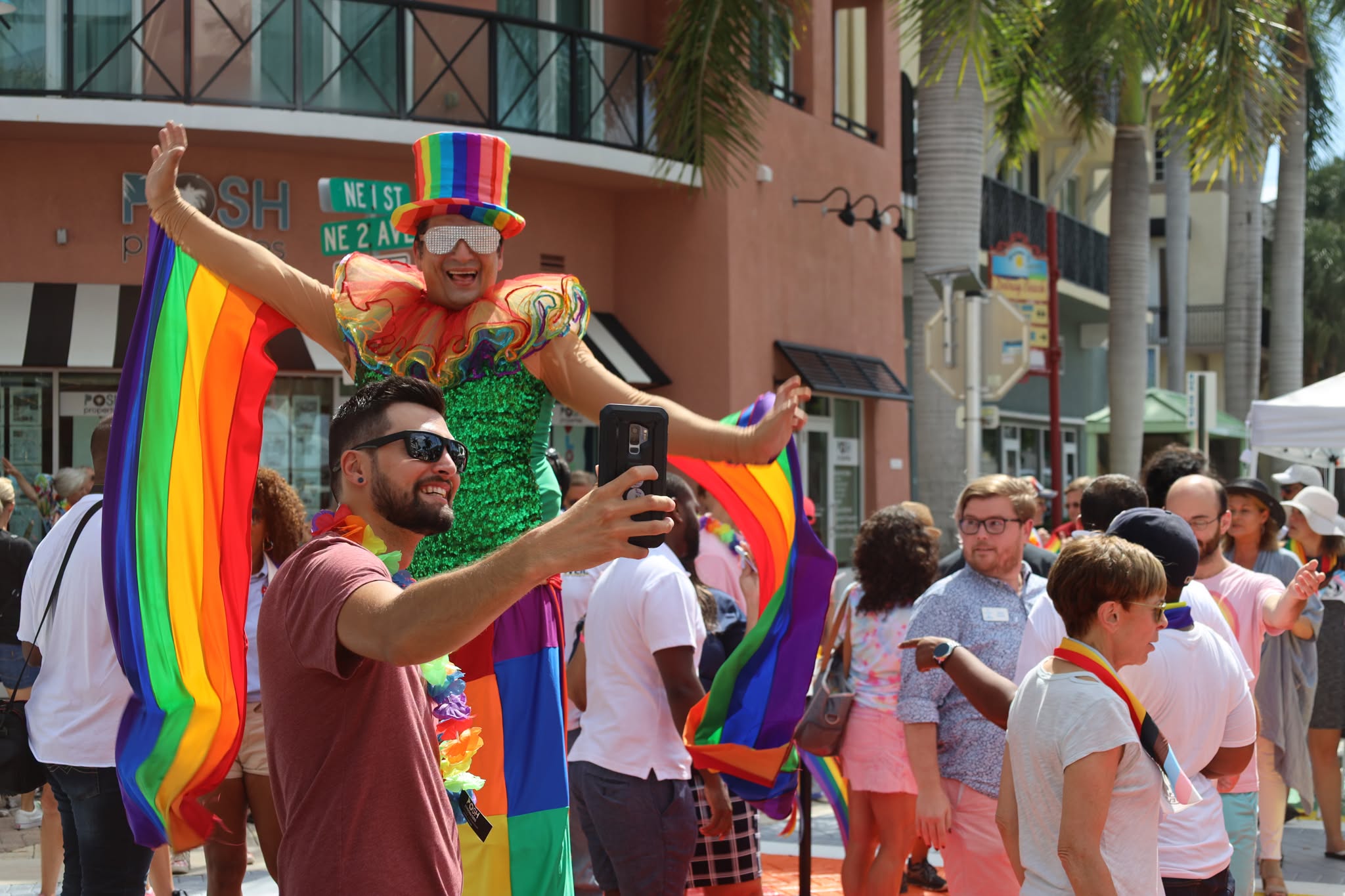
Officials in Delray Beach, Florida, are blaming a new state law, SB 1134, for their decision to cancel the city’s St. Patrick’s Day Parade and Pride events for 2027.
“Following a review of the legislation and its requirements, the City has determined that it is legally prohibited from organizing, funding, or promoting these events in 2027,” Delray Beach officials announced on Tuesday, November 10. “These restrictions include certain programming and activities designed or implemented with reference to ethnicity, sexual orientation, or gender identity.”
The new law, which goes into effect January 1, bans county and municipal governments from “funding or promoting or taking official action as it relates to diversity, equity, and inclusion.” Any Florida officials caught in violation are subject to suspension, administrative discipline or removal from office by the governor. The law also allows residents to sue local governments for violations.
Governor Ron DeSantis signed the anti-DEI bill into law in April 2026, saying in a statement at the time, “Floridians should not be forced to pay for … identity politics with their hard-earned tax dollars.”
“Are they going to cancel the Christmas parade, as well?” Delray Beach resident Randy Biro asked ABC affiliate WPBF. “There’s a lot of issues going on here and it’s weird.”
“It’s ridiculous. Why would they cancel it?” added police volunteer Kenny Moskowitz. “It’s beyond anything we can imagine.”
After the public outcry made its way back to the city’s elected officials, Mayor Tom Carney announced on social media Tuesday evening, “The city is working feverishly with multiple entities to ensure the 2027 St. Patrick’s Day parade goes on as scheduled.”

Making it clear their decision was a direct response to SB 1134, Carney said the new law “puts severe restrictions on how cities can pay for community events such as the St. Patrick’s Day Parade along with potentially other city sponsored events.”
Bacardi Jackson, the executive director of Florida ACLU, called the bill “overly broad” in a February 2026 statement, arguing that it “empowers the state to use its power to shut down progress, silence local governments, and target political opponents.”
“It is designed to prevent local governments from recognizing systemic inequities, educating their communities, or implementing initiatives that ensure inclusive public services,” he continued, “essentially silencing local leadership and forcing the governor’s personal viewpoints onto communities statewide.”


