
CAUSES & ISSUES
2-Year-Old Becomes First Child Euthanized Under Netherlands’ New End-of-Life Rules

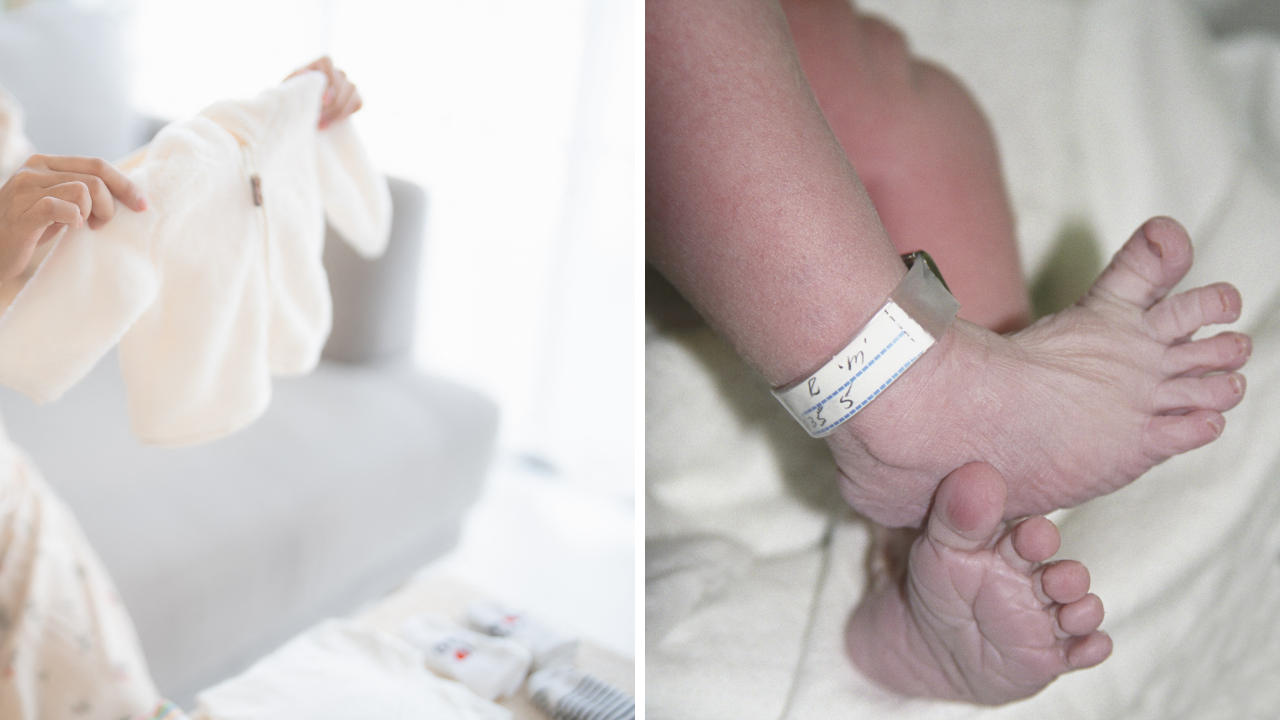
Netherlands has confirmed the first case carried out under its expanded end-of-life rules for severely ill patients younger than 12, offering new details about the circumstances surrounding the decision, NL Times reported on September 9.
The detailed announcement was based on a 2026 report from the Dutch LZA-LP&K review committee, which said the patient was nearly 2 years old when a physician ended their life in late 2025.
The child’s name and gender were not publicly revealed.
Under the Dutch framework, introduced in 2024, doctors may consider termination of life for patients aged 1 to 12 only when suffering is considered unbearable, there is no prospect of improvement, and no reasonable treatment can provide sufficient relief, according to the Government of the Netherlands.
According to the committee, the patient was born abroad at 26 weeks and three days and began experiencing serious complications almost immediately.
By four and a half months old, the child’s condition deteriorated, they developed sepsis and doctors discovered extensive brain damage, which led to severe cerebral palsy and a visual impairment.
At eight months, the child was diagnosed with infantile epileptic spasms syndrome, also known as West syndrome, a rare and severe form of epilepsy. The baby’s condition brought on a persistent sleep disorder, breathing trouble, coughing fits and difficulty swallowing, according to People.
Doctors tried multiple forms of treatment, but the committee said the patient’s condition did not improve.

After reviewing the prognosis and available options, the parents asked the physician to consider ending the patient’s life. Several medical professionals, including independent specialists, were consulted before the procedure, the report added.
Not every doctor involved agreed with the outcome; some reportedly believed the child’s condition might still have responded to a different medication approach, according to Decision Magazine.
In its report, the committee concluded that “the physician had acted with due care.”
The Daily Mail reports that the case will still go before the Netherlands’ Public Prosecution Service as part of the standard review process.
Officials initially estimated the expanded rules would be used in no more than five cases each year. So far, this remains the only publicly known case, per the NL Times.
Parents must be closely involved in the decision, and the patient is included whenever possible. An independent committee also reviews each case afterward.
The process is separate from the Netherlands’ euthanasia law for older minors.
Patients can request euthanasia themselves beginning at age 12, with parental involvement depending on their age, according to the official site.


